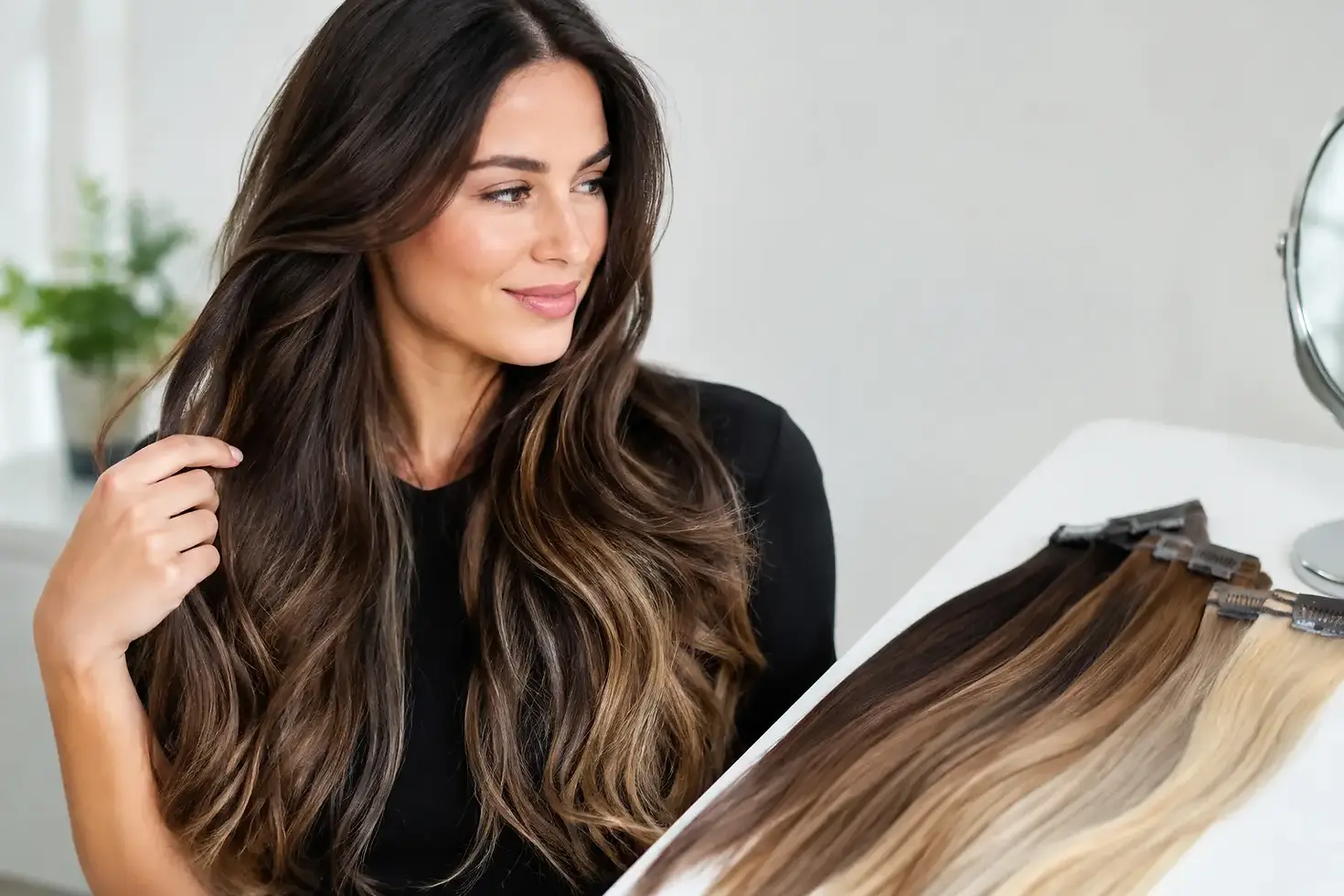
An Honest Hair Extensions Review Before You Book

A good hair extensions review should tell you more than whether the hair looked great on the day. The real test is how naturally the extensions blend, how they feel after a full week, and whether the maintenance fits around your actual routine. Length and volume can make a major difference to a cut or colour, but the right method matters just as much as the finished look.
Extensions are not a one-size-fits-all service. Hair texture, density, scalp sensitivity, lifestyle and budget all affect what will work well. A professional consultation is where the decision should start, not the final step after choosing a photo online.
Hair Extensions Review: What Actually Matters
The first thing to assess is the quality of the hair. Human hair extensions generally offer the most natural movement and can be styled with heat, washed and worn in a way that feels closer to your own hair. Remy human hair, where the cuticles are kept aligned in the same direction, is often the preferred option because it is less likely to tangle and can hold a smoother finish with proper care.
Synthetic hair can be a lower-cost choice and may suit a temporary look, an event or someone who does not plan to use heated tools. The trade-off is flexibility. Many synthetic fibres cannot be straightened or curled at high temperatures, and they may not blend as naturally with hair that has a lot of movement, texture or colour variation.
Colour matching deserves more attention than it usually gets. Your natural hair is rarely one flat shade, particularly around the crown and through the ends. The best result may use more than one tone, with lowlights or a slightly brighter finish through the lengths. Matching extensions to the mid-lengths and ends, rather than only the roots, usually gives a more believable blend.
Density is another detail that separates an understated transformation from an obvious one. Fine hair can be overloaded by a heavy set of extensions, while thicker hair may need more hair to avoid a thin-looking line at the ends. The aim is not simply to add the maximum possible length. It is to create a balanced shape that still looks like it belongs to you.
Choosing the Right Fitting Method
A fitting method should support your hair, not fight against it. The best choice depends on the condition of your natural hair, how often you wear it up, how much time you can give to maintenance and whether you want a temporary or longer-term change.
Tape extensions sit flat against the head and can be an effective choice for adding volume and length with a discreet finish. They are popular because the application is relatively quick and the wefts lie smoothly. They need to be repositioned as your hair grows, though, and using oils or conditioner too close to the adhesive can cause slipping.
Micro rings and nano rings are fitted section by section, without glue or heat. They can offer a flexible, natural movement when installed correctly, but they are not ideal for every hair type. On very fine or fragile hair, the extra tension can be too much. They also need regular maintenance to move them back up as your own hair grows.
Keratin bond extensions use small bonded strands for a highly customised result. They can blend especially well around the front and sides where you need movement and detail. The fitting takes longer, and removal must be done carefully by a trained professional. This method may suit someone committed to the upkeep, rather than someone looking for a quick, low-maintenance change.
Weaves and sewn-in methods can work well for certain hair textures and for clients who want fullness across larger sections. As with any method, installation tension is crucial. If the scalp feels sore, tight or persistently uncomfortable, it needs attention. Extensions should never leave you with a headache or make brushing feel difficult.
Clip-ins are the most flexible option. You can wear them for a night out, a wedding or whenever you want extra volume, then remove them before bed. They are not designed for sleeping in, swimming in or daily long-term wear. When clipped into the same spot too often, they can also put strain on the hair, so placement should be varied.
Comfort, Blending and Everyday Wear
Freshly fitted extensions can feel noticeable for the first day or two while you adjust. Noticeable is not the same as painful. A little awareness around the attachment points can be normal, but pulling, sharp discomfort, itching, visible tension or headaches are signs to contact your stylist promptly.
Blending is about the cut as much as the fitting. Even high-quality hair can look separate from your own if it has been added in one blunt line. A proper shaping cut softens the transition, creates movement and helps the extensions work with your style. If you usually wear your hair in a bob or have shorter layers around the face, this step is especially important.
Think about how you normally live with your hair. If you train regularly, wear a helmet, put your hair in a high ponytail for work or swim often, say so during the consultation. These habits do not automatically rule out extensions, but they may change the recommended method and your maintenance plan.
For a polished, everyday finish, extensions should still allow you to wear your preferred styles comfortably. Ask to see how the hair sits when it is down, tied back and parted differently. This is a more useful check than judging the result only from one angle in the salon mirror.
The Upkeep That Shapes Your Results
Hair extensions look their best when aftercare is consistent. This is where the true cost of a service becomes clear. The initial appointment is only part of the commitment; maintenance appointments, professional removal or refitting, and suitable home products need to be factored in from the start.
Brush gently at least twice a day with an extension-safe brush, supporting the hair near the roots as you work through the lengths. Start at the ends and move upwards rather than pulling through knots from the top. This reduces tension at the attachment points and helps prevent matting.
When washing, focus shampoo on the scalp and let the lather run through the lengths. Apply conditioner from the mid-lengths down, avoiding tapes, bonds or rings unless your stylist has advised otherwise. Rinse thoroughly. Product build-up near the fittings can affect their hold and make the hair harder to manage.
Dry the roots and attachment areas properly after washing. Going to bed with damp extensions is a common cause of tangling, especially at the nape of the neck. Before sleeping, loosely braid the hair or tie it in a low, soft ponytail if that is suitable for your method. A smooth pillowcase can also help reduce friction.
Heat styling is possible with quality human hair extensions, but it should be controlled. Use heat protection, keep the temperature sensible and avoid direct heat on the bonds or tapes. The extensions do not receive natural oils from the scalp in the way your own hair does, so frequent high heat can dry them out faster.
Is the Cost Worth It?
Extensions can be worth the investment when the method, hair quality and upkeep all match your expectations. They are particularly useful if you want fuller-looking hair, need length while growing out a shorter cut, or want more styling options without waiting months for growth.
They may be less suitable if your hair is currently breaking, shedding more than usual or recovering from chemical damage. In that situation, a treatment plan, careful trim and colour adjustment may be the smarter route first. A responsible stylist should be comfortable saying no to a fitting that could compromise your natural hair.
Price should reflect more than the hair itself. A quote may include the consultation, fitting time, cutting and blending, aftercare advice and a plan for maintenance. Cheaper is not always poor, but a very low price can mean lower-grade hair, rushed fitting or missing aftercare support. Ask what is included and when you will need to return.
At FF Salon, the strongest extension results begin with an honest conversation about your hair and your routine. Bring reference photos if you have them, but stay open to the method that protects your natural hair and gives you a result you can maintain comfortably. The best extensions do not demand constant attention - they simply make getting ready feel easier.


Comments