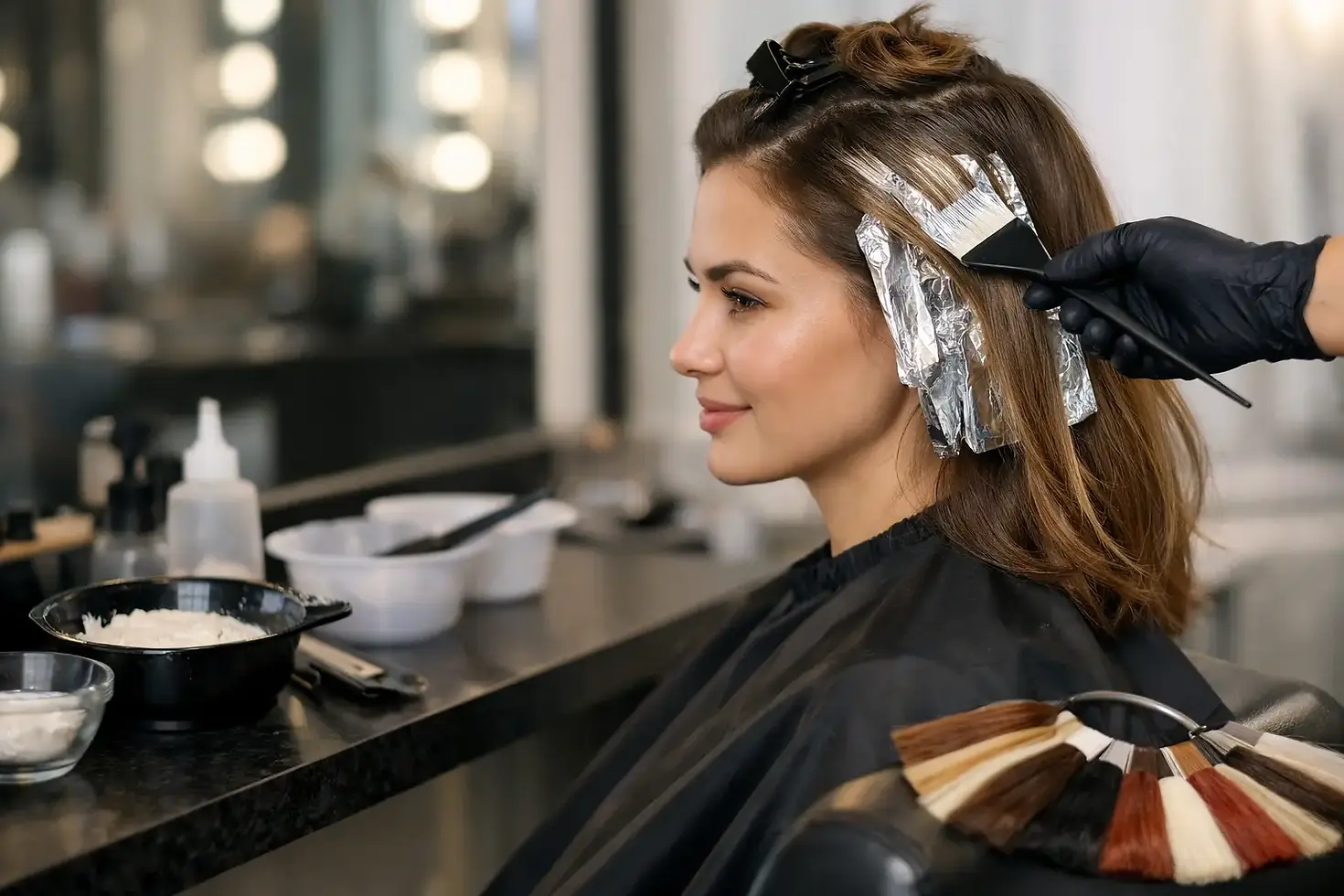
How to Prepare for Hair Colour Properly

Good colour starts before the appointment. If you are wondering how to prepare for hair colour, the aim is simple - give your stylist a clear base to work with, avoid anything that interferes with the result, and arrive knowing what your hair has been through. A little prep can mean better tone, better coverage, and less stress on the day.
Hair colour is not one-size-fits-all. Virgin hair, previously coloured hair, curls, fine hair, box dye history, heat damage, greys, and scalp sensitivity all change the plan. The best preparation is not about doing more. It is about doing the right things and leaving the rest alone.
How to prepare for hair colour before your appointment
The biggest mistake people make is trying to fix everything the week before. A sudden switch to heavy oils, purple shampoo, clarifying products, or DIY treatments can throw off how the colour takes. Your stylist needs your hair in a stable, predictable condition.
If your appointment is booked for a major change, think in terms of the last six to eight weeks, not just the day before. Bleach, permanent tint, toners, and grey coverage all behave differently depending on what is already on your hair. Old colour matters. Box dye matters even more.
Start by being honest about your hair history. If you have used home dye, henna, colour-depositing masks, keratin treatments, relaxers, or bleach, say so. This is not about being told off. It is about avoiding uneven lift, breakage, or a result that looks nothing like the reference photo.
Know your colour history
This is one of the most useful things you can do before a salon visit. If you cannot remember exact product names, give a rough timeline. Say when you last coloured it, whether it was permanent or semi-permanent, and if you have had highlights, balayage, bleach, or toner.
Even if old colour seems faded, it can still affect the new result. Dark dye can be stubborn to lift. Red undertones can reappear. Blonde work can grab onto porous ends and turn out patchy if the condition is uneven.
Book a consultation if the change is big
If you want to go much lighter, correct banding, cover resistant greys, or move away from years of box dye, a consultation is worth it. It saves time and sets expectations properly. Sometimes the right answer is not one long appointment but a staged process that protects the condition of your hair.
That matters more than chasing an unrealistic result in one sitting. Strong colour work should look good on the day and still feel like hair afterwards.
What to do in the week before hair colour
In the week before your appointment, keep your routine simple. Wash as normal unless your stylist tells you otherwise. Clean hair is usually easier to assess, especially for precise colour placement and grey coverage. If your scalp is prone to irritation, avoid scratching it or using aggressive exfoliating products.
Do not overload your hair with thick oils or leave-in build-up in the days leading up to colour. These products can create a barrier and make the hair harder to work with. A lightweight conditioner is fine. A balanced hair mask once earlier in the week can help if your ends are dry, but there is no need to drench the hair in treatments the night before.
Heat is another thing to watch. If your hair is already dry or compromised, turn down the straighteners and give the hair a quieter week. Less stress going in means a better chance of an even, cleaner finish coming out.
Should you wash your hair before colouring?
This depends on the service. For most salon colour appointments, hair that is clean but not freshly scrubbed within the last hour is absolutely fine. The old idea that hair must be very greasy is not always helpful. Excess oil, sweat, or product build-up can make sectioning and application more difficult.
If you are having a scalp bleach or you know your skin is sensitive, your stylist may prefer you not to wash on the same day. The key point is this - do not arrive with days of dry shampoo, hairspray, and styling paste layered through the hair unless you have been advised otherwise.
Avoid last-minute home fixes
If your roots look bright, your blonde feels brassy, or your ends feel dry, it is tempting to do something yourself. Usually, that makes the appointment harder, not easier. Box toners can shift the base unpredictably. Silver shampoos can stain porous sections. At-home glosses can react with salon colour.
If something is bothering you before the appointment, flag it with the salon rather than trying to correct it alone. A quick conversation is better than colour correction.
How to prepare for hair colour if your hair is damaged
Damaged hair needs a more careful approach. If your ends snap easily, feel gummy when wet, or look much lighter than the rest, mention it before your appointment. Colour can still be possible, but the method may need to change.
Condition matters because porous hair absorbs colour quickly and lets it fade quickly too. That can leave the roots and lengths looking like two different services. If your hair has been heavily bleached, over-styled with heat, or processed repeatedly, your stylist may suggest trimming first, adjusting the shade, or spacing out appointments.
This is not a downgrade. It is how you get a result that actually lasts and looks polished.
A patch test is not optional when needed
If you are having colour for the first time, changing product type, or returning after a long gap, a patch test may be required. This is about safety, not admin. Reactions to tint can be serious, and skipping the test is not worth the risk.
If your salon asks for one, get it done in good time. Do not leave it until the day and assume it can be worked around.
What to bring to your colour appointment
You do not need a full plan, but a few useful details help. Bring reference photos if you have them, and keep them realistic. Choose pictures with similar hair density, texture, and starting colour to your own where possible. A cool beige blonde on naturally dark, previously dyed hair is very different from the same shade on fine natural blonde hair.
It also helps to know what you do not want. If you hate warmth, say that. If you like depth at the root, say that too. Clear direction saves time and usually leads to a better finish.
Wear something comfortable and easy to change if needed. If you rely on glasses, think about that for the consultation stage. And if you are having a longer appointment, arrive with enough time rather than rushing in flustered.
The day of your appointment
On the day, keep the hair free from heavy styling products. Brush out knots gently so the hair can be sectioned easily. If your scalp is irritated, flaky, or sore, mention it as soon as you arrive. A healthy scalp gives better comfort during application and can affect whether some services should go ahead.
Be ready for a conversation rather than a quick colour label. Saying you want blonde, brunette, or copper is only the start. The right shade depends on skin tone, maintenance level, current base, and how often you want to come back in.
This is where a professional salon makes the difference. At Fade Fusion, that preparation stage matters because clean planning leads to better colour choices and fewer surprises once the service begins.
What not to do before hair colour
A few things are best avoided. Do not use box dye to tide yourself over. Do not trim your own fringe in a panic and create another job for the appointment. Do not arrive expecting black box dye to lift to bright blonde safely in one sitting. And do not hold back information about what has been used on your hair.
The best appointments are straightforward because the starting point is clear. Your stylist can only work with the information and condition in front of them.
Aftercare starts before the colour goes on
The smartest way to prepare is to think one step ahead. If you are booking fresh colour, make sure you are also ready to look after it. That means having the right shampoo for coloured hair, reducing excessive heat where possible, and understanding the upkeep. Some shades are low-maintenance. Others need toner, glossing, root work, or purple shampoo to stay looking sharp.
Preparation is not about fuss. It is about setting your hair up for the best possible result and being realistic about what your hair can do in one appointment. Turn up with clean information, sensible expectations, and hair that has not been put through a week of panic treatments. That gives your colour the best chance to look fresh, even, and worth the booking.


Comments