
Ladies Haircut Stirchley - What to Expect
- Burhaan Vanat
- Jun 16
- 6 min read

A good haircut usually shows itself the next morning. Not when the salon finish is still sitting perfectly, but when you wash it, dry it and realise it still falls into place without a fight. That is the real test of a ladies haircut Stirchley clients come back for - not just how it looks in the chair, but how it works in everyday life.
Choosing a ladies haircut in Stirchley
For most women, a haircut is rarely just a trim. Sometimes it is maintenance. Sometimes it is a reset after colour damage, overgrown layers or months of putting it off. Sometimes it is practical - easier styling, less bulk, cleaner shape. And sometimes it is about wanting to look more polished without spending half an hour with a straightener every morning.
That is why the best salon experience starts with clarity. You want to know you are in the right space, speaking to someone who understands what you mean when you say your hair gets heavy, your fringe never sits right, or your ends keep flicking out. A proper consultation matters because no two cuts land the same on different hair types, densities or daily routines.
In a local salon setting, that matters even more. People are not looking for vague advice or trend-chasing for the sake of it. They want a cut that suits their face shape, texture, maintenance level and schedule. If you live around Stirchley, Kings Heath, Cotteridge or nearby, convenience matters - but it only works if the result does too.
What makes a haircut work after you leave
A strong cut is built around shape, balance and movement. That sounds simple, but it is where the difference sits between hair that behaves and hair that constantly needs fixing.
The first thing a stylist should assess is weight. Thick hair often needs control without losing shape. Fine hair usually needs structure without being over-layered and made to look thinner. Curly or wavy hair needs a different approach again, because shrinkage, bounce and bulk all affect where the final line will sit once the hair is dry.
Length is only part of the decision. The more useful question is how you actually wear your hair day to day. If it is always tied back for work, very soft face-framing might disappear. If you wear it natural most days, a cut that depends on daily blow-dries may become frustrating quite quickly. If you want to air-dry and go, that should shape the plan from the start.
This is where trade-offs come in. A blunt one-length cut can make fine hair look fuller, but it may feel heavier and flatter if you want movement. Lots of layering can remove bulk from thicker hair, but too much can make the ends look stringy. A fringe can sharpen your whole look, but only if you are ready for regular upkeep. Good advice should be honest about that.
The consultation should do more than confirm the length
The consultation is where the haircut really begins. It should cover more than “how much off?”. That question matters, but on its own it is not enough.
A useful consultation looks at your current shape, your growth pattern, your styling habits and anything your hair tends to do that annoys you. Cowlicks, strong partings, damage through the front, bulky sides, flat crown areas - these are the details that change the final result.
Photos can help, but they need translating into reality. The same cut can look completely different depending on hair density, face shape and texture. A stylist should be able to say what is achievable, what needs adapting and what may not work as expected. That is not a negative. It is what stops disappointment later.
For anyone booking a ladies haircut in Stirchley, this practical approach is usually what makes the appointment feel worthwhile. You are not there for a generic service. You are there for a cut that makes sense for you.
Popular haircut choices and who they suit
The right haircut is not always the most dramatic one. Often it is the version that improves what you already have.
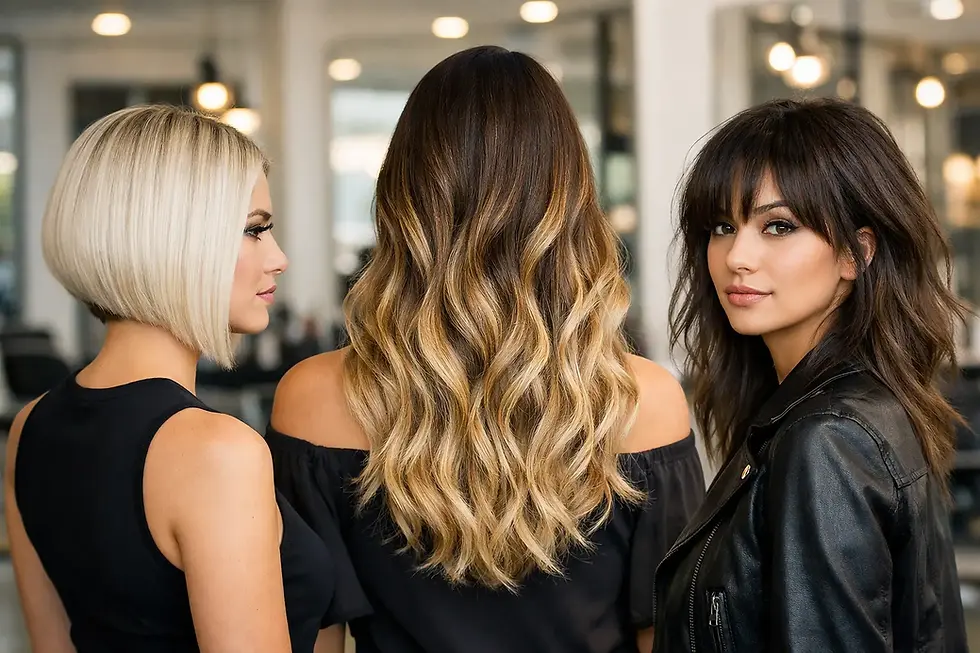
A blunt bob remains a strong option because it looks clean, modern and intentional. It suits women who want structure and a sharper outline, especially if the hair is naturally straight or regularly styled smooth. The trade-off is that shorter shapes often need more frequent maintenance to keep the line crisp.
Long layers are a reliable choice for keeping length while removing heaviness. They work well for thicker hair or anyone wanting more movement around the face. The key is restraint. Too many layers can make long hair feel thinner at the ends.
A collarbone cut sits in a useful middle ground. It is long enough to tie back but short enough to feel refreshed. For many women, this is the easiest reset if the hair has lost shape or feels tired.
Fringes and face-framing sections can also change the whole haircut without taking much length away. They soften the front, add shape and help a style feel current. But they do require realism. If you do not want to style a fringe most mornings, a softer, longer option is often the better route.
Hair texture changes the result
One reason haircut appointments can go wrong is that people talk only about the style, not the texture. But texture decides a lot.
Straight hair shows every line, which means precision matters. If the cut is even slightly off-balance, it tends to be visible. Wavy hair is more forgiving in some ways, but it can also expand or flip depending on where the weight sits. Curly hair needs shaping with bounce in mind, not just wet length, because once it dries the whole silhouette changes.
If your hair is colour-treated, bleached or heat-damaged, that affects the cut as well. Damaged ends can make even a well-shaped style look untidy, so sometimes removing a bit more is what actually improves the overall look. That can be frustrating if you are trying to grow it, but holding onto weak ends rarely helps the hair look better.
Maintenance matters as much as the cut itself
The best haircut is one you can keep looking good between appointments. That is why maintenance should be part of the conversation.
Shorter cuts and sharp bobs usually need tidying more often. Layered medium and long cuts can stretch out longer, but only if the shape has been built well from the start. Fringes often need the quickest upkeep of all.
Home styling also matters. You do not need a shelf full of products, but you do need the right approach for your hair. Fine hair usually benefits from lighter products and root lift rather than heavy oils. Thicker or textured hair often needs more moisture and control through the mid-lengths and ends. A salon should keep this advice simple and relevant, not turn it into a sales pitch.
If your haircut only looks right after a full salon blow-dry, it may not be the right cut for your routine. A better standard is whether you can recreate a good version of it yourself with reasonable effort.
Why local salons still matter for women’s haircuts
There is a difference between getting a haircut anywhere and getting one somewhere that understands its regular clients. Local salons often work better because they build that familiarity over time.
You are not starting from zero on every visit. Your stylist gets to know how your hair grows, what you liked last time, what felt too short, what was easier to style and what you want to change next. That continuity usually leads to better results than repeating the same explanation to someone new each time.
For women in and around Stirchley, there is also the practical side. A salon needs to fit around work, school runs, weekends and everything else. Easy access is useful, but reliability is what keeps people returning. If a salon feels organised, clear in its service and consistent in its standards, the whole experience becomes simpler.
That is part of what makes a modern neighbourhood salon work. It should feel professional without being overcomplicated. Clear booking, focused service and a haircut that suits real life - that is what most clients are actually looking for.
Getting the most from your appointment
If you want a better result, arrive with a clear idea of what is not working with your current hair. That is often more useful than trying to name a style. Saying your ends feel thin, your shape disappears after two weeks, or your front sections never sit right gives a stylist something practical to fix.
It also helps to be honest about your effort level. If you spend five minutes on your hair in the morning, say so. If you are happy to style it properly a few times a week, say that too. A good haircut should meet you where you are, not where a photo assumes you will be.
Fade Fusion is built around exactly that kind of clear, specialist service - a straightforward salon experience with results designed to hold up beyond the appointment.
A haircut should make the rest of the week easier, not add another job to it. When the shape suits your hair, your routine and your pace of life, you stop thinking about it so much - and that is usually how you know it is right.


Comments